
Extra-clear vs standard shower glass
Low-iron versus standard float glass: green edge, tile color accuracy, and the price gap.
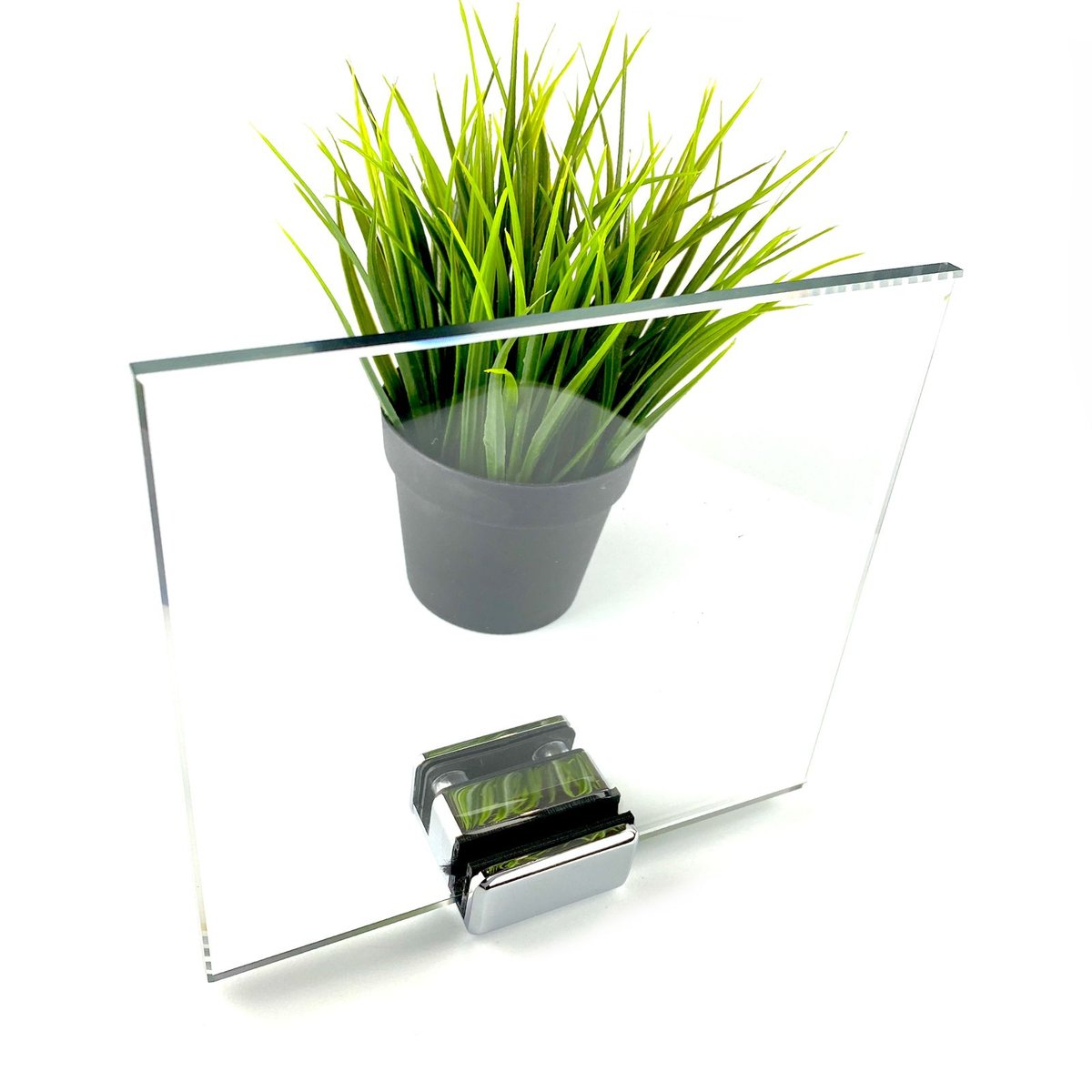
Standard float glass contains iron oxide, which gives it a faint green cast. On a thin sheet nobody notices, but in a 3/8 or 1/2 inch shower panel the edge looks distinctly green and white tile behind it picks up a cool undertone.
Extra-clear, or low-iron, glass is made from raw material with reduced iron content. The edge comes out nearly colorless, tile colors read accurately, and the glass visually disappears. The difference is most obvious against white, beige, and light gray finishes.
Where the upcharge is worth it: white or light tile, large-format marble-look slabs, frameless builds with exposed edges, and wide panels sitting in your line of sight as you enter. There a green edge reads as a flaw even though it is normal material behavior.

Where you can skip it: dark tile, tinted or frosted glass, framed builds where channel covers the edge, and utility bathrooms where looks are secondary. On black porcelain only a specialist will spot the difference.
Low-iron glass costs roughly 15 to 30 percent more than standard, depending on thickness and order size. Against the total cost of a bathroom remodel that is usually a small share, which is why most of our Florida clients choose extra-clear.
Vireo Glass brings samples of both to the measure: two pieces of glass held against your tile settle the question in a minute. We cover thickness and strength separately in the blog, and ballpark figures on the pricing page.


